


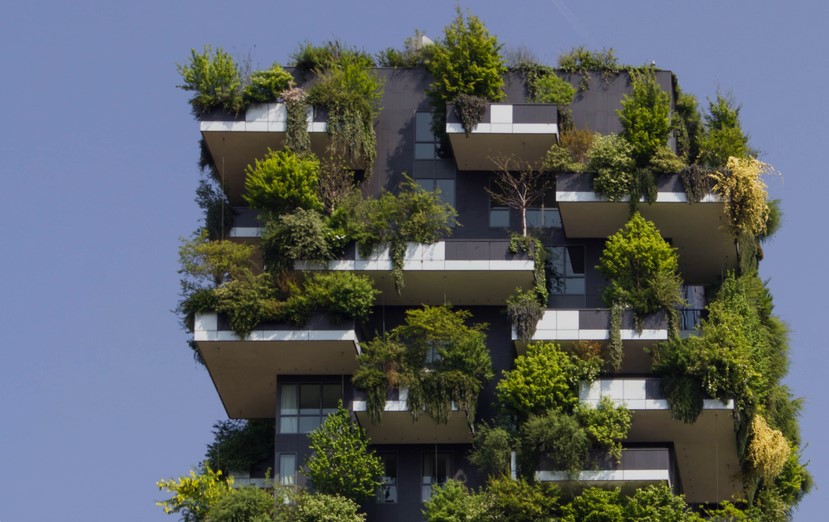
As of 2026, biophilic design has moved from a niche concept into a core principle of modern architecture. It reflects a growing understanding that buildings should not only function efficiently but also support human well-being by reconnecting people with nature. In practice, this means integrating natural light, vegetation, airflow, and materials into the built environment.
After reviewing current architectural trends and project case studies, it’s clear that combining with advanced materials like creates a balanced approach—one that delivers both environmental performance and aesthetic value. This article explores how these ideas are applied across different building types and why they matter.
Understanding Biophilic Design in Modern Contexts
At its core, focuses on strengthening the connection between humans and nature within built spaces.
This approach typically includes:
- Maximizing natural light
- Incorporating plants and green walls
- Using natural materials and textures
- Designing for airflow and thermal comfort
In modern architecture, these principles are often integrated into sustainable design strategies, ensuring that buildings are both livable and efficient.
From my perspective, the most successful projects are those that treat biophilic elements as functional components—not just decorative features.
The Link Between Biophilic and Sustainable Building Design
There is a strong overlap between biophilic principles and sustainable building design.
Both aim to:
- Reduce environmental impact
- Improve energy efficiency
- Enhance occupant well-being
- Use resources more responsibly
For example, a building that maximizes daylight reduces the need for artificial lighting, while natural ventilation systems lower energy consumption.
Materials like can support these goals by offering durability and thermal performance, which are essential for long-term sustainability.
Biophilic Design in Residential Projects
In sustainable house designs, biophilic concepts are increasingly used to create healthier living environments.
A well-designed home might include:
- Large windows for natural light
- Indoor plants and green courtyards
- Cross-ventilation systems
- Natural textures such as wood or stone
Integrating into residential architecture can improve comfort while reducing reliance on mechanical systems.
In practice, I’ve seen homeowners prioritize these features not just for aesthetics, but for everyday quality of life.
Applications in Sustainable Hotel Design
Hospitality spaces benefit significantly from sustainable hotel design that incorporates biophilic elements.
Hotels using this approach often feature:
- Open-air spaces and natural ventilation
- Integration of landscape and architecture
- Use of natural materials and colors
- Energy-efficient building systems
These features contribute to a more relaxing guest experience while also supporting operational efficiency.
Using materials such as ensures that these designs remain durable and low-maintenance, even in demanding environments.
Biophilic Principles in Sustainable Industrial Design
While often associated with residential and hospitality projects, biophilic concepts are also relevant in sustainable industrial design.
Industrial facilities can incorporate:
- Natural lighting to reduce energy use
- Ventilation systems that improve air quality
- Green spaces for employee well-being
- Efficient layouts that optimize workflow
Combining these elements with sustainable roofing solutions helps create environments that are both functional and supportive of workers.
In my observation, companies are increasingly recognizing the link between workspace design and productivity.
The Role of Sustainable Roof Design and Materials
Roofing plays a critical role in both sustainability and biophilic integration.
A strong sustainable roof design can:
- Improve thermal performance
- Support rainwater management
- Enable integration of green roofs or solar panels
- Enhance building longevity
Choosing sustainable roof materials is equally important. Materials like provide:
- Resistance to weather and corrosion
- Reflective properties to reduce heat absorption
- Long service life with minimal maintenance
These qualities make them suitable for a wide range of applications, from homes to commercial buildings.
Integrating Biophilic Design into Urban Architecture
Urban environments present challenges such as limited space and high energy demand. However, biophilic strategies can still be effectively applied.
Key approaches include:
- Vertical gardens and green walls
- Rooftop gardens and shared outdoor spaces
- Maximizing natural light through building orientation
- Using reflective and durable materials
Incorporating into urban projects helps create more livable cities while supporting sustainable design goals.
This is particularly relevant as urban populations continue to grow.
Trends in Biophilic and Sustainable Architecture (2026)
Several trends are shaping the future of architecture:
1. Integration of nature and technology
Smart systems are being used to optimize lighting, ventilation, and energy use.
2. Increased focus on occupant well-being
Design decisions are increasingly influenced by health and comfort considerations.
3. Expansion of sustainable roofing solutions
Green roofs and advanced materials are becoming more common.
4. Adaptation to climate conditions
Buildings are designed to respond more effectively to local environments.
These trends highlight the importance of combining biophilic design with practical construction solutions.
Conclusion: A Balanced Approach to Modern Design
Biophilic design represents a shift in how we think about buildings. It emphasizes the importance of human experience while addressing environmental challenges.
For architects, developers, and homeowners, the key considerations include:
- Integrating to enhance well-being
- Applying sustainable building design principles for efficiency
- Selecting reliable materials like for durability
- Incorporating sustainable roof design and sustainable roofing strategies
In my view, the most effective projects are those that balance aesthetics, performance, and sustainability.
As the built environment continues to evolve, this integrated approach will remain essential.
FAQ
What is biophilic design?
It is an architectural approach that integrates natural elements into built environments to improve well-being.
How does biophilic design support sustainability?
It reduces energy use, improves indoor environments, and encourages efficient resource use.
Can biophilic design be used in industrial buildings?
Yes, it can improve lighting, ventilation, and employee comfort.
What is sustainable roof design?
It focuses on durability, energy efficiency, and environmental performance.
Why are materials like Colorbond important?
They provide long-term reliability, thermal performance, and suitability for modern sustainable architecture.